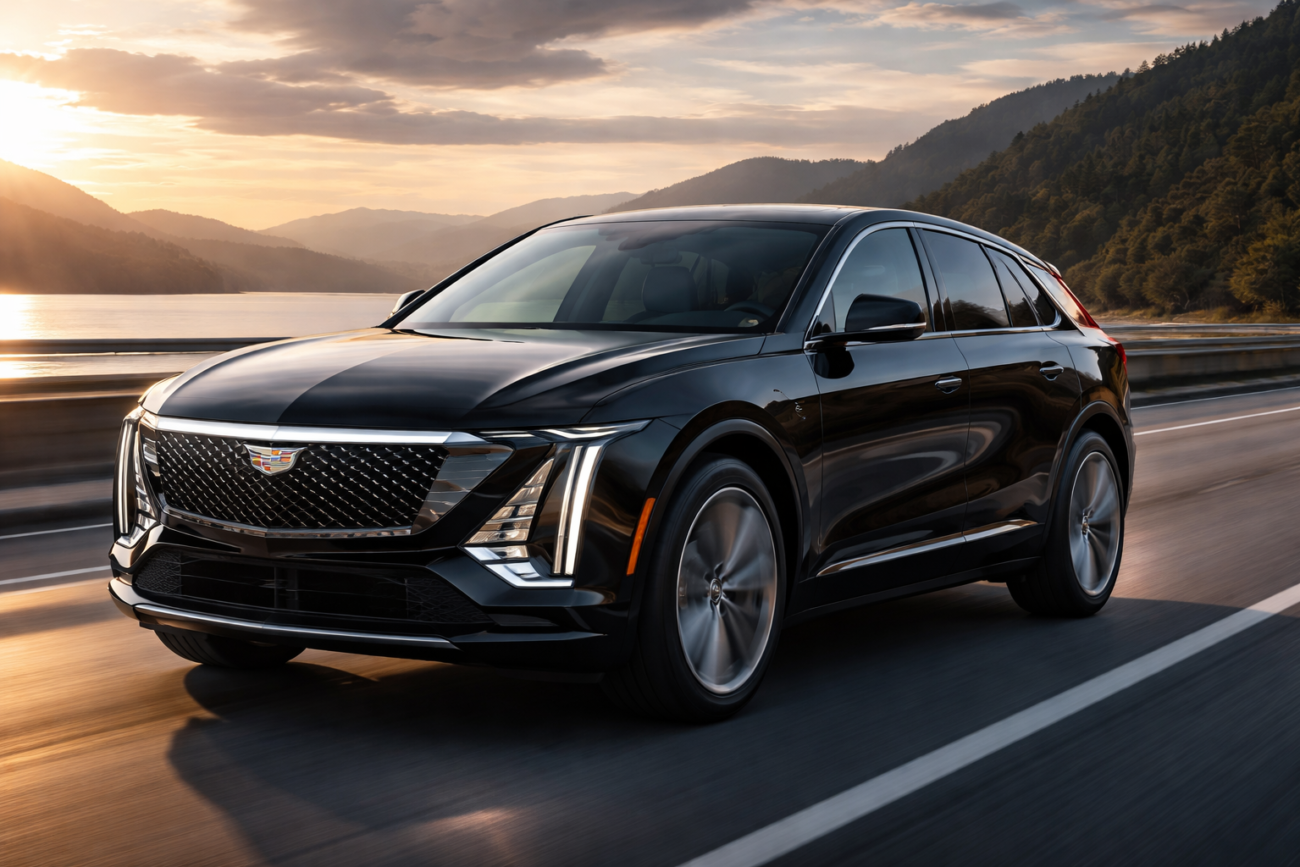
The evolution of electric vehicles has introduced a new level of control and customization for drivers, and the Cadillac Lyriq stands as a strong example of how modern electric luxury vehicles blend performance, efficiency, and intelligent energy management. One of the most frequently discussed aspects of this vehicle is how its driving modes influence overall range and battery usage. While traditional gasoline vehicles also feature drive modes, the impact in an electric vehicle is far more significant because every adjustment directly affects how energy is consumed from the battery. In the Cadillac Lyriq, driving modes are not just about comfort or performance preferences; they are deeply connected to how efficiently the vehicle operates, how power is delivered, and how far the vehicle can travel on a single charge.
Electric vehicles operate on a different principle compared to internal combustion engines, where fuel consumption is often tied to engine size and driving habits. In contrast, the Lyriq’s battery system, combined with its software-driven power management, means that the driver’s choice of mode can subtly or noticeably alter the vehicle’s efficiency. This relationship between driving modes and energy consumption is not always obvious at first glance, but when examined closely, it becomes clear that each mode is designed with a specific purpose that ultimately affects range.
How Driving Modes Function in an Electric Vehicle
Driving modes in an electric vehicle like the Cadillac Lyriq are essentially predefined configurations that adjust various parameters within the vehicle’s systems. These parameters include throttle response, torque delivery, regenerative braking strength, steering feel, suspension behavior, and even climate control optimization. Because electric vehicles rely entirely on battery power, any change in how energy is distributed or consumed will influence the total distance the vehicle can travel.
The Lyriq’s software continuously monitors driver input and road conditions, but driving modes allow the driver to prioritize certain characteristics over others. For example, a mode designed for efficiency will limit aggressive acceleration and optimize energy recovery, while a performance-oriented mode will allow higher power output at the cost of increased energy consumption. This dynamic adjustment is what creates the variation in battery usage across different modes.
Another important factor is how the vehicle manages auxiliary systems such as air conditioning and heating. In an electric vehicle, these systems draw power directly from the battery, and driving modes can influence how aggressively they operate. Subtle changes in these systems can accumulate over time and impact overall range, especially during long drives or extreme weather conditions.
The Role of Battery Technology in the Cadillac Lyriq
The Cadillac Lyriq is built on a modern electric platform that features a large battery pack designed to deliver competitive range figures. However, the battery itself does not change capacity based on driving mode. Instead, what changes is the rate at which energy is consumed. This distinction is critical in understanding how driving modes affect range.
The battery management system in the Lyriq is highly advanced, ensuring that energy is distributed efficiently while maintaining performance and protecting the battery’s longevity. Driving modes interact with this system by setting boundaries on how aggressively the battery can be used. For instance, in a more conservative mode, the system may limit peak power output and encourage smoother acceleration, thereby conserving energy.
Temperature also plays a role in battery efficiency. While driving modes do not directly alter battery chemistry, they can influence how the vehicle responds to temperature changes. In colder conditions, certain modes may reduce power output to preserve battery health and extend range, while in warmer conditions, the system may allow more flexibility.
Tour Mode and Its Emphasis on Efficiency
Tour mode is often considered the default setting in the Cadillac Lyriq, and it is designed to provide a balanced driving experience that maximizes efficiency without sacrificing comfort. This mode carefully manages throttle response to ensure smooth acceleration, preventing unnecessary spikes in energy consumption. By encouraging gradual power delivery, Tour mode helps the vehicle maintain a steady rate of energy usage, which is ideal for achieving optimal range.
One of the defining characteristics of Tour mode is its ability to integrate regenerative braking in a way that feels natural while still recovering energy effectively. When the driver lifts off the accelerator, the system captures kinetic energy and converts it back into stored electricity. This process is more pronounced in electric vehicles than in traditional cars, and in Tour mode, it is calibrated to provide both efficiency and comfort.
Another aspect of Tour mode is its approach to climate control and auxiliary systems. The vehicle aims to maintain a comfortable cabin environment while minimizing unnecessary energy draw. Over extended periods of driving, these small optimizations can make a noticeable difference in total range, especially when combined with consistent driving habits.
Sport Mode and Its Impact on Energy Consumption
Sport mode in the Cadillac Lyriq is designed to deliver a more dynamic and engaging driving experience. It enhances throttle sensitivity, allowing the vehicle to respond more quickly to driver input. This results in faster acceleration and a more immediate delivery of torque, which is a hallmark of electric vehicle performance. However, this increased responsiveness comes at a cost in terms of energy consumption.
When the vehicle operates in Sport mode, it allows greater access to the battery’s power reserves, which means energy is used more rapidly. Accelerating quickly requires a significant amount of electricity, and repeated bursts of acceleration can reduce overall range. While the difference may not always be drastic in short trips, it becomes more apparent during longer drives or when driving aggressively.
Sport mode may also adjust regenerative braking to feel less intrusive, prioritizing a more traditional driving feel over maximum energy recovery. This can further contribute to increased energy usage, as less kinetic energy is converted back into stored electricity. Additionally, auxiliary systems may operate with fewer restrictions, further adding to the overall power draw.
Despite these factors, Sport mode serves an important purpose by showcasing the performance capabilities of the Lyriq. It allows drivers to experience the full potential of the electric drivetrain, even if it means sacrificing some efficiency.
Snow and Ice Mode and Its Relationship with Efficiency
Snow and Ice mode is specifically designed to enhance traction and stability in challenging road conditions. While its primary focus is safety rather than efficiency, it still has implications for battery usage and range. In this mode, the vehicle reduces throttle sensitivity to prevent sudden surges of power that could cause wheel slip. This controlled power delivery can actually lead to more consistent energy usage, particularly in slippery conditions where inefficient driving can occur.
However, environmental factors play a significant role in this mode. Cold weather inherently reduces battery efficiency, and the use of heating systems further increases energy consumption. While Snow and Ice mode helps manage power delivery effectively, it cannot fully counteract the effects of low temperatures on battery performance. As a result, drivers may notice a decrease in range during winter conditions, even when using this mode.
The interaction between driving mode and environmental conditions highlights the complexity of energy management in electric vehicles. Snow and Ice mode ensures that power is used efficiently within the constraints of the environment, but external factors still influence the overall outcome.
Custom Driving Modes and Personalized Efficiency
The Cadillac Lyriq also offers a customizable driving mode that allows drivers to tailor various settings according to their preferences. This flexibility enables a unique balance between efficiency and performance, depending on how the vehicle is configured. By adjusting parameters such as steering feel, throttle response, and regenerative braking intensity, drivers can create a mode that suits their specific driving style.
The impact of a custom mode on range depends entirely on the chosen settings. A configuration that emphasizes smooth acceleration and strong regenerative braking can rival or even surpass the efficiency of Tour mode, while a setup that prioritizes responsiveness may consume energy at a rate similar to Sport mode. This level of customization highlights the importance of understanding how each parameter influences energy usage.
Custom modes also allow drivers to adapt to different driving scenarios. For instance, a driver may create a mode optimized for city driving, where frequent stopping and starting make regenerative braking particularly valuable. Alternatively, a highway-focused mode may prioritize steady power delivery and minimal energy fluctuations.
Regenerative Braking and Its Influence on Range
Regenerative braking is one of the most important features in electric vehicles, and it plays a significant role in how driving modes affect range. In the Cadillac Lyriq, regenerative braking can be adjusted or influenced by the selected mode, altering how aggressively the system captures energy during deceleration.
When regenerative braking is strong, the vehicle can recover more energy, effectively extending range. This is particularly beneficial in urban environments where frequent stops provide opportunities for energy recovery. Driving modes that emphasize efficiency tend to maximize this feature, while performance-oriented modes may reduce its intensity to maintain a more traditional driving feel.
The balance between regenerative braking and driver comfort is a key consideration in the design of driving modes. Too much regeneration can feel abrupt, while too little can result in wasted energy. The Lyriq’s system aims to find an optimal balance that aligns with the purpose of each mode.
Real-World Driving Behavior and Its Impact
While driving modes have a measurable effect on battery usage, the driver’s behavior ultimately plays an even larger role. Aggressive acceleration, high speeds, and frequent braking can significantly reduce range, regardless of the selected mode. Conversely, smooth and consistent driving can enhance efficiency even in less conservative modes.
Driving modes act as a framework that guides how the vehicle responds, but they do not override the fundamental principles of energy consumption. For example, driving at high speeds increases aerodynamic drag, which requires more energy to overcome. Similarly, carrying heavy loads or driving uphill can increase power demand.
Understanding how driving habits interact with driving modes is essential for maximizing range. Drivers who adapt their behavior to complement the chosen mode can achieve better results than those who rely solely on the mode itself.
Comparing Energy Usage Across Modes
The differences in energy usage between driving modes are not always extreme, but they are noticeable over time. Tour mode generally provides the most consistent and efficient performance, making it ideal for long-distance driving. Sport mode, while offering enhanced performance, tends to consume energy more quickly, especially during spirited driving.
Snow and Ice mode occupies a middle ground, where efficiency is influenced more by external conditions than by the mode itself. Custom modes introduce variability, allowing drivers to fine-tune their experience but also requiring a deeper understanding of how each setting affects energy consumption.
The variation in range between modes can depend on several factors, including driving conditions, terrain, and weather. In some cases, the difference may be only a few percentage points, while in others, it can be more pronounced. This variability underscores the importance of selecting the appropriate mode for each situation.
The Broader Perspective on Efficiency and Performance
The relationship between driving modes and battery usage in the Cadillac Lyriq reflects a broader trend in the automotive industry, where software plays an increasingly important role in vehicle performance. Electric vehicles rely on advanced algorithms to manage energy efficiently, and driving modes are one of the ways this technology is presented to the driver.
Rather than viewing driving modes as simple presets, it is more accurate to see them as tools that allow drivers to interact with the vehicle’s energy management system. Each mode represents a different philosophy of driving, whether it is focused on efficiency, performance, or adaptability.
This approach provides flexibility but also requires awareness. Drivers who understand how each mode affects energy usage can make informed decisions that align with their priorities, whether that is maximizing range or enjoying a more dynamic driving experience.
Conclusion
Driving modes in the Cadillac Lyriq do influence range and battery usage, but they do so by altering how energy is consumed rather than changing the battery itself. Each mode adjusts key parameters within the vehicle, creating distinct driving experiences that come with their own efficiency characteristics. Tour mode emphasizes balanced efficiency, Sport mode prioritizes performance at the cost of higher energy consumption, Snow and Ice mode ensures stability in challenging conditions, and custom modes allow for personalized configurations.
The impact of these modes is shaped not only by the vehicle’s systems but also by external factors such as weather and driving behavior. Understanding this interplay is essential for making the most of the Lyriq’s capabilities. By selecting the appropriate mode and adopting efficient driving habits, drivers can optimize their range while still enjoying the versatility and performance that define this modern electric luxury vehicle.
